
NEWS
November 17, 2025
IN BRIEF
Executive Summary Nigeria’s digital space has become central to political participation, economic opportunity, cultural expression, and civic engagement. Yet it is also marked by censorship attempts, overbroad surveillance powers, misinformation, unsafe online spaces, and weak accountability structures. Although the Cybercrimes Act was amended in 2024, citizens remain concerned about the potential for executive overreach, opaque data practices, and the absence of a shared governance framework that protects freedoms while ensuring security. This position paper argues that Nigeria urgently needs a [...]
SHARE
Executive Summary
Nigeria’s digital space has become central to political participation, economic opportunity, cultural expression, and civic engagement. Yet it is also marked by censorship attempts, overbroad surveillance powers, misinformation, unsafe online spaces, and weak accountability structures. Although the Cybercrimes Act was amended in 2024, citizens remain concerned about the potential for executive overreach, opaque data practices, and the absence of a shared governance framework that protects freedoms while ensuring security. This position paper argues that Nigeria urgently needs a Digital Social Contract, an agreed framework between the government, the private sector, civil society, and citizens, to safeguard fundamental rights, strengthen trust, and secure digital spaces for all.
Introduction
Nigeria’s online world reflects the country’s democratic tensions. Millions of young Nigerians use digital platforms for expression, creativity, activism, and entrepreneurship. At the same time, recent years have witnessed content takedowns without notice, platform manipulation, harassment directed at journalists and activists, and inconsistent application of digital laws. These developments undermine trust in both state institutions and private platforms. Technology can strengthen democracy or weaken it depending on how rights are protected and how power is exercised. As digital systems become more integrated into governance, commerce, and daily life, Nigeria needs a coherent set of rules and responsibilities that safeguard constitutional freedoms online as firmly as offline.
A Digital Social Contract provides this foundation. It is not another policy document but a shared understanding of how rights are protected, how digital actors are held accountable, and how trust is rebuilt in a rapidly evolving online ecosystem. It is a necessary response to emerging risks and an opportunity to shape a digital environment that reflects Nigeria’s democratic aspirations.
Background
The expansion of Nigeria’s digital economy has outpaced its governance mechanisms. Internet penetration has grown steadily, with mobile connectivity serving as the primary entry point for millions. However, digital rights abuses also rise with expansion. The 2021 Twitter restriction, multiple allegations of unlawful surveillance, inconsistent data practices among telcos, and increasing weaponization of misinformation highlight the fragility of the current digital ecosystem. While the amended Cybercrimes Act 2024 attempted to modernize the law, it still leaves gaps on judicial oversight, user protection, and transparency obligations for both state and private actors.
Citizens rightly demand a more trustworthy environment, where freedoms are protected and violations have consequences. Security online must be understood as an act of care for people, not merely device protection. Every act of transparency, every judicial safeguard, every secure connection, and every accessible platform is a step toward protecting Nigerians and strengthening democratic resilience.
Core Principles
- Digital Rights as Human Rights: Freedom of expression, privacy, and access to information online are fundamental and non-negotiable, aligned with Nigeria’s Constitution and international human rights law;
- Inclusion: Digital spaces must be accessible and safe for all Nigerians regardless of gender, ethnicity, religion, disability, socioeconomic status, or geography, particularly addressing rural and underserved communities;
- Transparency and Accountability: Both government institutions and private technology companies must operate openly, with clear accountability mechanisms for violations of digital rights;
- Digital Care: Cybersecurity goes beyond technology, it is about protecting human dignity, economic livelihoods, and social trust in a digitally connected society.
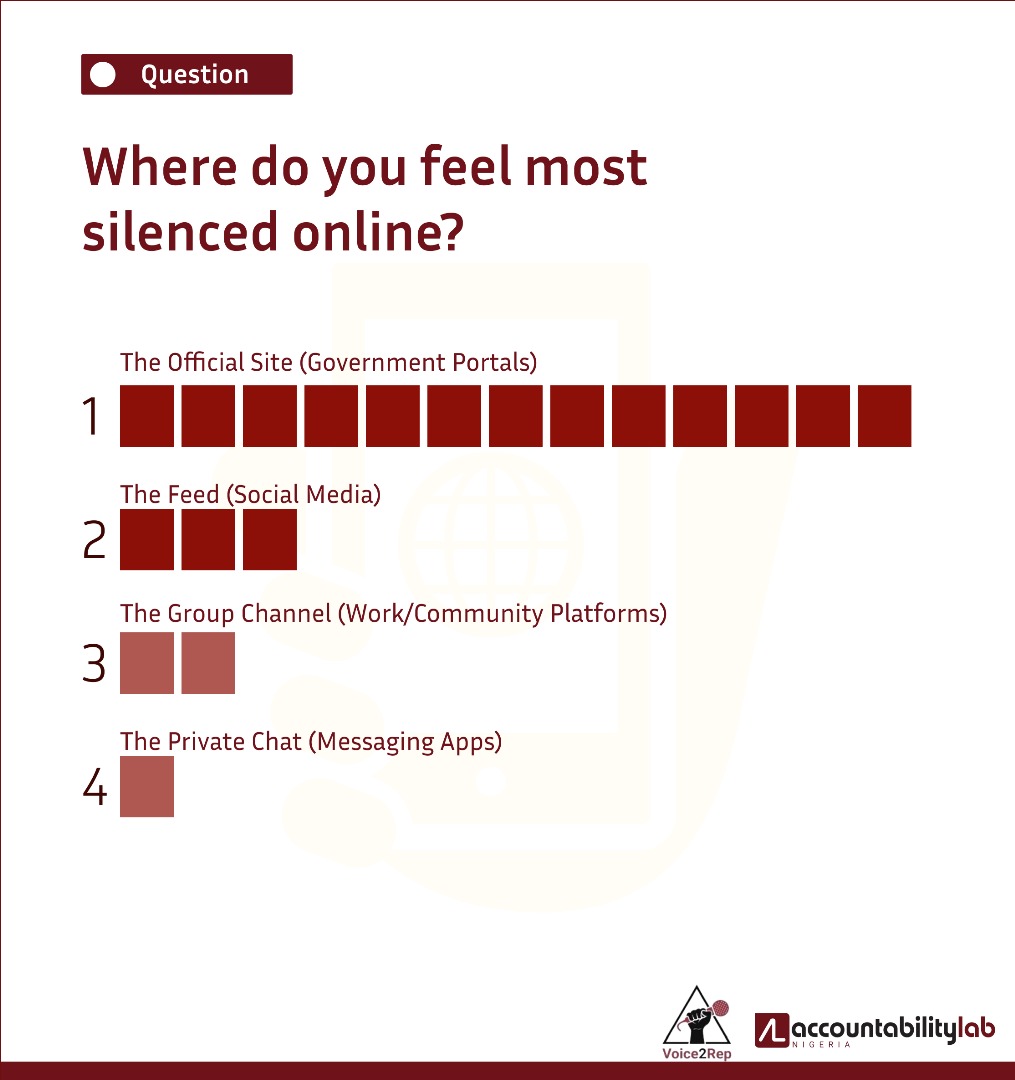
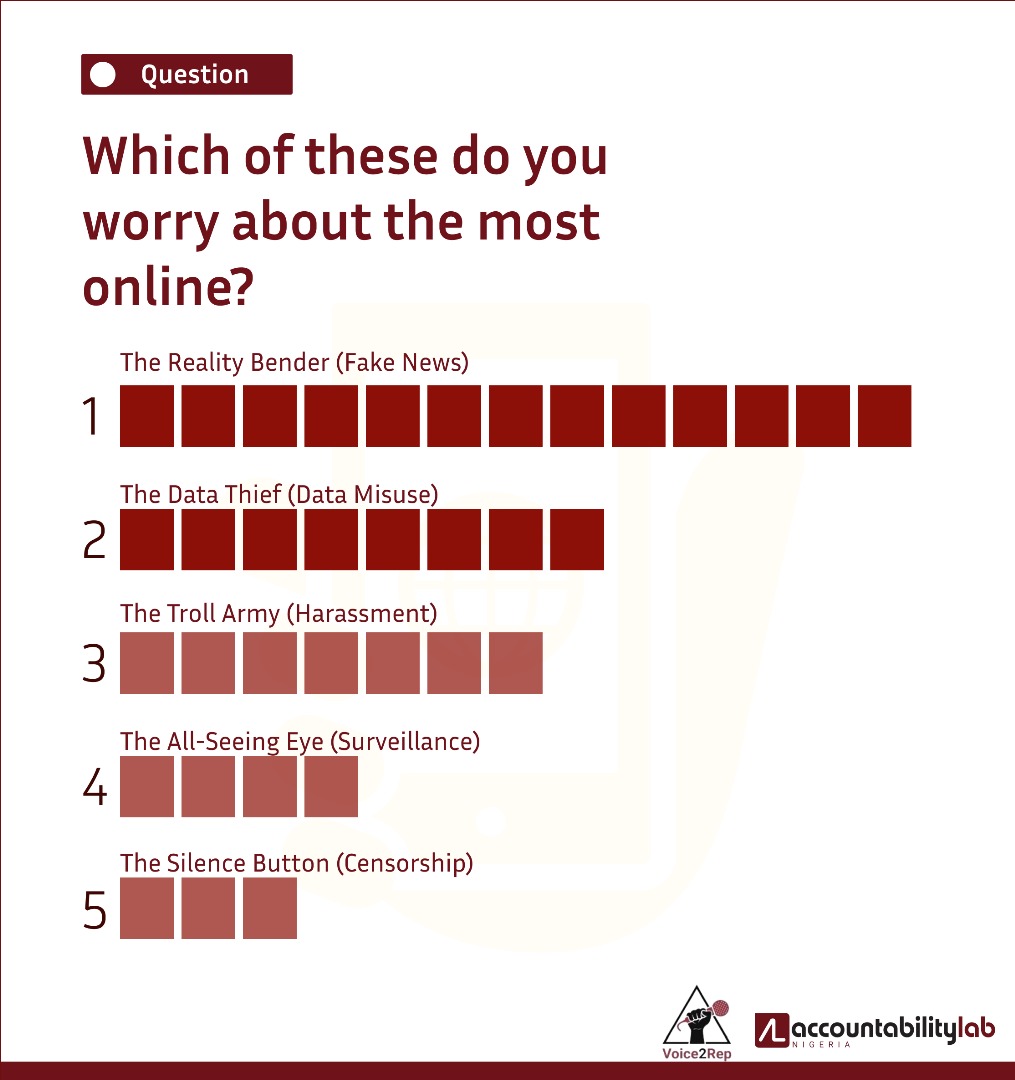
The Rights and Rhythm concert highlighted that Nigeria needs a Digital Social Contract that secures rights, builds trust, and holds all actors accountable in the digital age.
This Nigerian Digital Social Contract rests on five critical pillars:
- Government’s Role to Protect, Not Police: Government must guarantee online freedom of expression with the same strength provided by the Constitution offline. This requires ongoing review of laws such as the Cybercrimes Act to ensure they target genuine cybercrime, fraud, identity theft, and cyberstalking without criminalizing dissent, whistleblowing, or legitimate criticism. Government must also commit to open consultations when developing digital policies, strengthen judicial oversight for surveillance and data requests, and ensure citizens have access to affordable and open internet connectivity as a public good. True digital security comes from trust, not control;
- Private Sector’s Role to Profit but with Responsibility: Tech companies, both global platforms and Nigerian startups, influence public discourse, privacy, and digital safety at a scale that requires responsible action. Companies must disclose how they collect, use, and store personal data and provide clear systems for redress when content is removed or accounts are suspended. Nigerian telcos and digital service providers must prioritize user trust, not just regulatory compliance or government contracts. Profit must not come at the expense of safety or rights;
- Citizens’ Role as Active Participants, Not Passive Users: Citizens must engage actively by demanding accountability when rights are violated online and by refusing to amplify misinformation, harassment, or digital harm. Creatives, journalists, and influencers hold unique power to shape public understanding and must use their platforms to elevate awareness and promote responsible digital citizenship. A healthy digital ecosystem requires shared responsibility, and citizens cannot be passive in the governance of the spaces they depend on;
- Independent Oversight: A credible Digital Social Contract requires independent oversight beyond agencies that report solely to the executive. Nigeria needs transparent reporting on internet shutdowns, surveillance requests, data access demands, and censorship decisions. Clear, accessible, and timely pathways for redress must be established, especially for journalists, activists, and vulnerable communities. Without institutional independence, trust will remain fragile;
- Local Roots, Global Connections: Nigeria’s approach must reflect its diverse realities. Digital governance cannot be imported wholesale from China, the EU or the US. It must account for local languages, multi-ethnic sensitivities, uneven digital literacy, and a democracy that is still consolidating. At the same time, Nigeria should push for harmonized regional standards through ECOWAS and the African Union, ensuring the country contributes meaningfully to continental digital governance frameworks and global rights conversations.
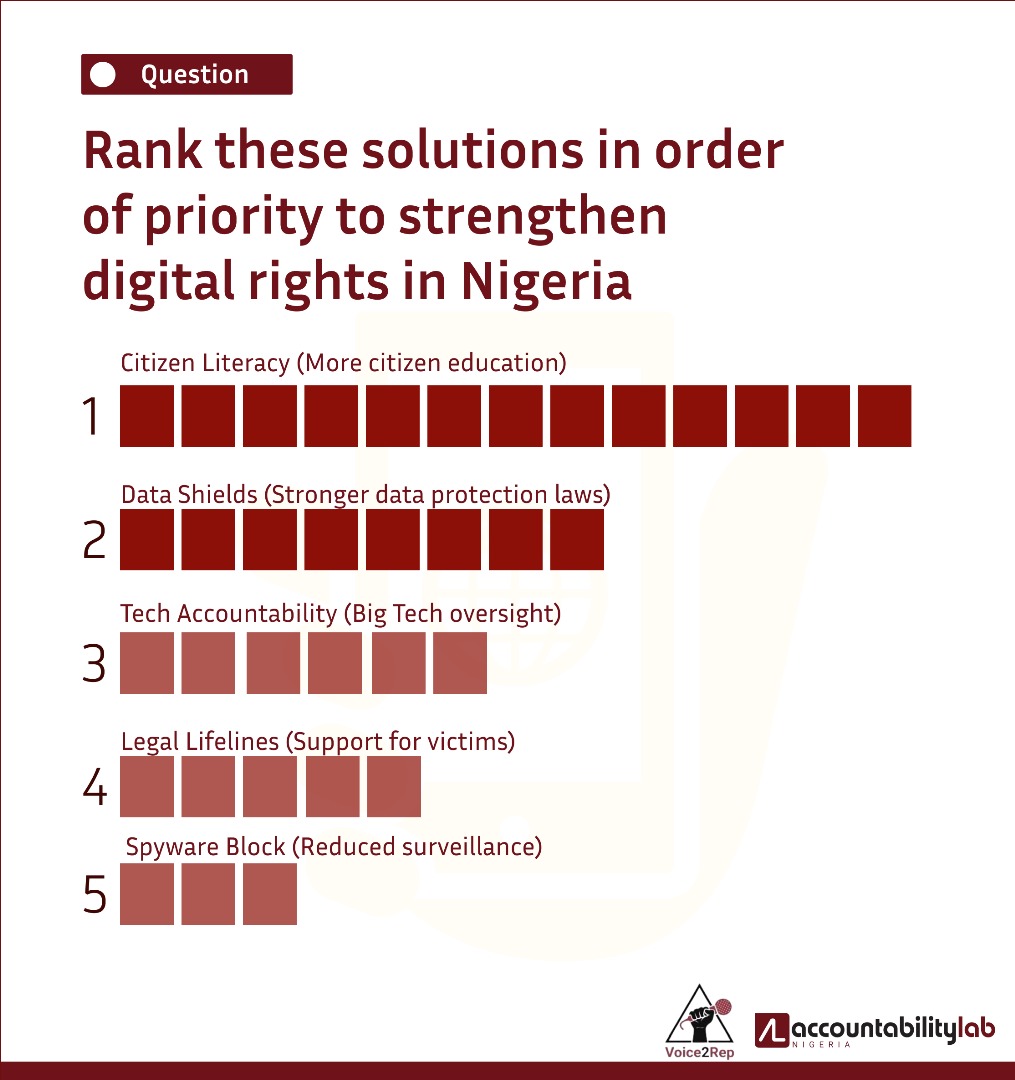
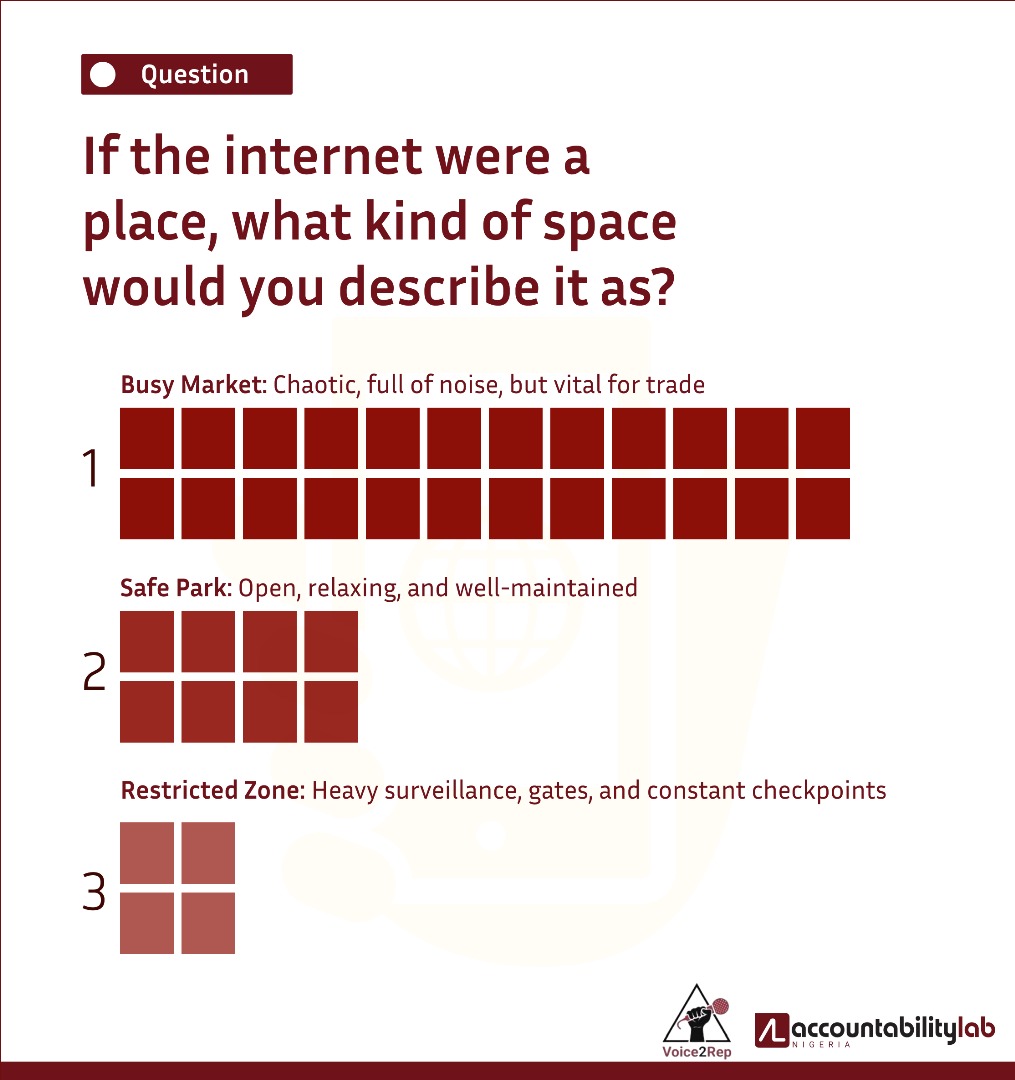
The Rights and Rhythm Concert demonstrated that Nigerian citizens, especially youth and creatives, are ready to define and defend their digital future. We call on:
- Government to safeguard digital rights through progressive laws, inclusive policies, and public digital infrastructure investments;
- Tech companies to act transparently and uphold user rights as part of their social license;
- Civil society to continue robust advocacy, monitoring, and digital literacy efforts;
- Citizens to exercise their digital rights responsibly and hold power to account.