
NEWS
February 5, 2026
IN BRIEF
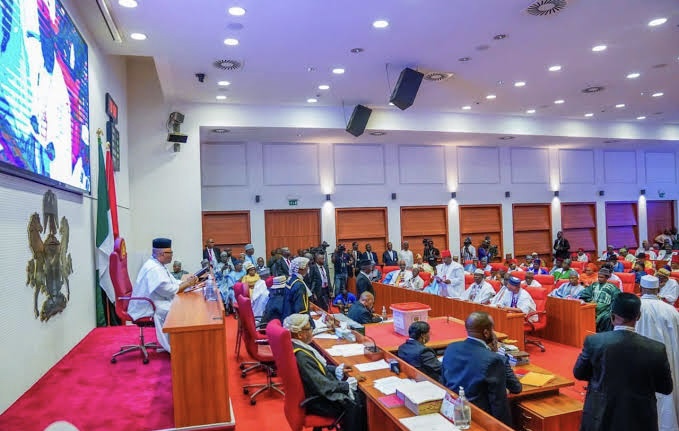
In light of recent developments at the National Assembly, Accountability Lab Nigeria calls for the urgent need to promote openness, inclusion, and accountability in Nigeria’s democratic processes ahead of the 2027 elections. The Senate recently approved amendments to the Electoral Act, framed as providing “operational flexibility.” While these changes aim to streamline certain processes, they have raised serious concerns about their potential impact on electoral integrity. Key provisions rejected or altered include the mandatory electronic transmission of results, the online [...]
SHARE
In light of recent developments at the National Assembly, Accountability Lab Nigeria calls for the urgent need to promote openness, inclusion, and accountability in Nigeria’s democratic processes ahead of the 2027 elections. The Senate recently approved amendments to the Electoral Act, framed as providing “operational flexibility.” While these changes aim to streamline certain processes, they have raised serious concerns about their potential impact on electoral integrity. Key provisions rejected or altered include the mandatory electronic transmission of results, the online accessibility of Permanent Voter Cards (e-PVCs), and the shortening of important electoral timelines. These changes could significantly constrain the legal and institutional space needed to conduct transparent and inclusive elections. The amendments risk deepening voter apathy by further eroding public trust in the electoral process; a trend that has already been evident in Nigeria’s recent elections. In the 2023 general election, only about 27% of registered voters turned out to vote, despite high levels of registration and PVC collection, reflecting widespread disengagement with the democratic process. This move could also reinforce perceptions of opacity and manipulation, particularly given the controversies over electronic result transmission during the 2023 polls. When voters doubt that results are transmitted transparently and securely, many feel their ballots will not count, and confidence in the system weakens.
Pain Points for Citizens
- Weakened transparency and credibility: During the 2023 elections, tools like the INEC Result Viewing Portal (IReV) and BVAS often failed due to weak internet and system glitches, leaving many results delayed or inaccessible and undermining public confidence. Reliance on manual result forms (EC8A/EC8B), which have been linked to discrepancies and manipulation, would increase if electronic transmission is removed. Blocking e-PVC downloads further risks disenfranchising voters especially those in rural and peri-urban areas who cannot easily access INEC offices;
- Compressed timelines and logistical risks: Reducing the election notice period from 360 to 180 days and shortening candidate list publication timelines from 150 to 60 days limits INEC’s preparation capacity. Short timelines heighten the risk of late accreditation, missing PVCs, ballot shortages, and confusion at collation centres, increasing the likelihood of post-election disputes and public distrust;
- Reduced space for oversight and accountability: Tightened timelines restrict the ability of civil society, media, and citizens to monitor, report, and challenge electoral irregularities. Contrasting positions between the Senate and House of Representatives, particularly on electronic result transmission, send mixed signals and weaken reform efforts.
Against the backdrop of the foregoing, we demand the following;
- The National Assembly should restore provisions for mandatory electronic transmission of results to ensure transparent and verifiable outcomes;
- Allow an online access to e-PVCs to improve convenience and reduce disenfranchisement;
- Maintain reasonable timelines for elections, candidate lists, and dispute resolution to enable effective preparation, oversight, and civic engagement.
Credible elections are the foundation of democratic legitimacy and without accessible digital tools, a clear, and trustworthy process, public cynicism is likely to grow, further reducing participation in the democratic process and weakening the legitimacy of the 2027 elections. Protecting transparency, participation, and accountability in electoral laws is key to ensure that every citizen’s vote counts and that Nigeria’s democracy remains robust and credible. We remain committed to amplifying citizen voices, pushing for strengthened oversight and reforms that truly put people first. Good governance isn’t rocket science, it should be simple, fair, and work for everyone.
Signed
Blessing Anolaba
Storytelling Development Officer