
NEWS
March 20, 2026
IN BRIEF
Waste management remains a persistent governance challenge in the Federal Capital Territory. Rapid urban growth in Abuja has significantly increased the volume of solid waste generated daily, placing pressure on existing waste infrastructure and regulatory systems. Communities located near poorly managed dumpsites often bear the brunt. The Federal Capital Territory Administration (FCTA) allocated N2.6 billion in 2025 specifically for waste management projects across Abuja like solid waste collection, sewage treatment, and sanitation contracts; gaps in implementation and oversight have left [...]
SHARE
Waste management remains a persistent governance challenge in the Federal Capital Territory. Rapid urban growth in Abuja has significantly increased the volume of solid waste generated daily, placing pressure on existing waste infrastructure and regulatory systems. Communities located near poorly managed dumpsites often bear the brunt. The Federal Capital Territory Administration (FCTA) allocated N2.6 billion in 2025 specifically for waste management projects across Abuja like solid waste collection, sewage treatment, and sanitation contracts; gaps in implementation and oversight have left many communities still underserved. The issue is environmental and it directly affects public health, businesses and trust in service delivery.
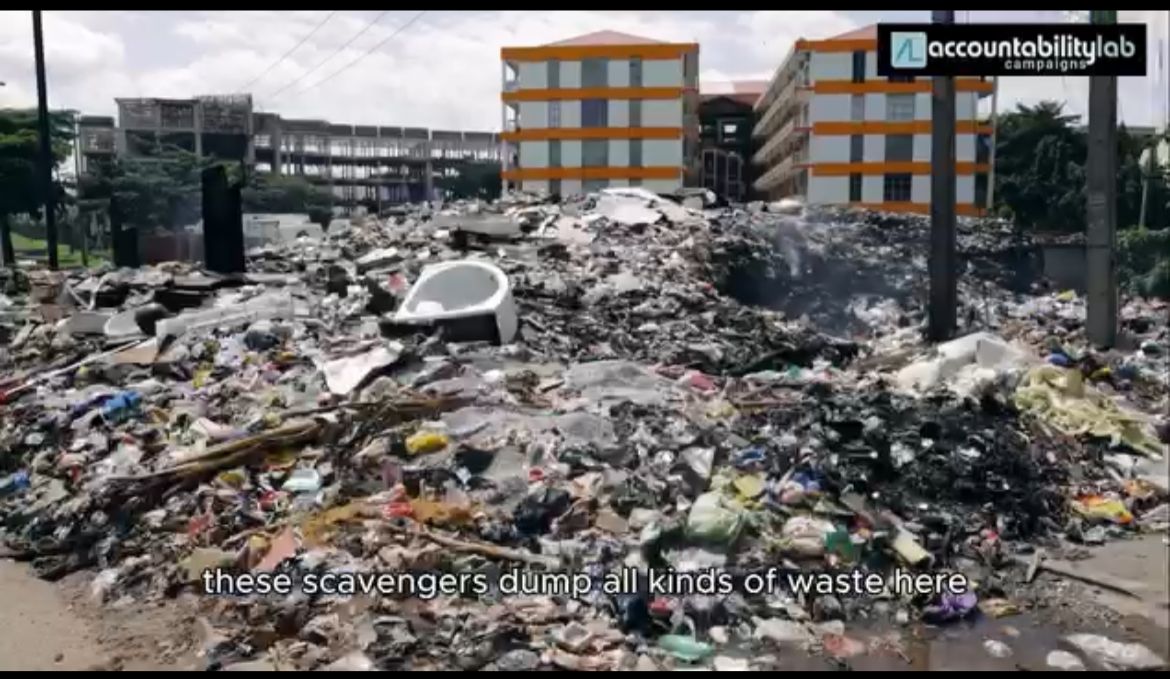
The dumpsite at the popular Jabi motor park became one such example. Over time, waste accumulation in the area created conditions that directly affected the daily lives of residents and nearby businesses. People living and working in the area reported persistent foul odours, smoke from burning waste, and increased pest activity. The waste management issue gradually evolved into a broader environmental and public health concern. For small business owners, the situation also affected them, as the unpleasant environment discouraged customers and reduced commercial activity in the area. The situation in Jabi reflects a broader challenge in urban waste management. As cities expand, waste generation can outpace collection and disposal systems, turning temporary dumping sites into lasting environmental hazards. Affected communities often lack effective channels to raise concerns, allowing issues that impact health and livelihoods to persist without timely institutional response.
Accountability Lab Nigeria approached the issue through the lens of environmental justice and responsive governance. Rather than focusing solely on reporting the problem, we sought to strengthen the link between citizen experiences and institutional response. The approach was based on the belief that evidence-driven storytelling combined with direct engagement with public institutions could create constructive pathways for change. The first step involved documenting the situation on the ground. We produced a short documentary capturing the experiences of residents and business owners around the Jabi dumpsite. The documentary highlighted how the site had begun to shape everyday life in the area, turning routine activities into health and sanitation concerns. Importantly, it amplified the voices of those directly affected, allowing residents to describe the impact in their own words. We also amplified these concerns through an op-ed titled “Waste and Public Health in Nigeria: The Silent Crisis We Can No Longer Ignore,” drawing public attention to the health and environmental impacts of poor waste management. Following the documentation phase, we engaged relevant stakeholders responsible for environmental management. We wrote to the Abuja Environmental Protection Board and the Federal Ministry of Environment, outlining community concerns and requesting dialogue. These engagements created space to discuss field observations and explore practical responses, positioning the conversation around strengthening environmental management rather than assigning blame.
A recent follow-up visit showed encouraging progress. The dumpsite has been cleared, removing the immediate environmental hazard that once affected residents and businesses. Community members reported that the persistent stench and visible waste are gone, and a barricade has been installed to prevent further dumping. While the outcome reflects the efforts of multiple stakeholders, it underscores the value of linking citizen voices with governance processes. As the city continues to expand, pressure on waste collection and disposal systems is likely to increase. Similar environmental concerns exist in other parts of the city where rapid development intersects with limited waste infrastructure. We will continue to encourage and amplify citizen voices on environmental issues while engaging relevant institutions on responsible waste management practices. Strengthening these feedback loops remains an important step to ensuring that environmental policies translate into real improvements for the communities most affected by them.
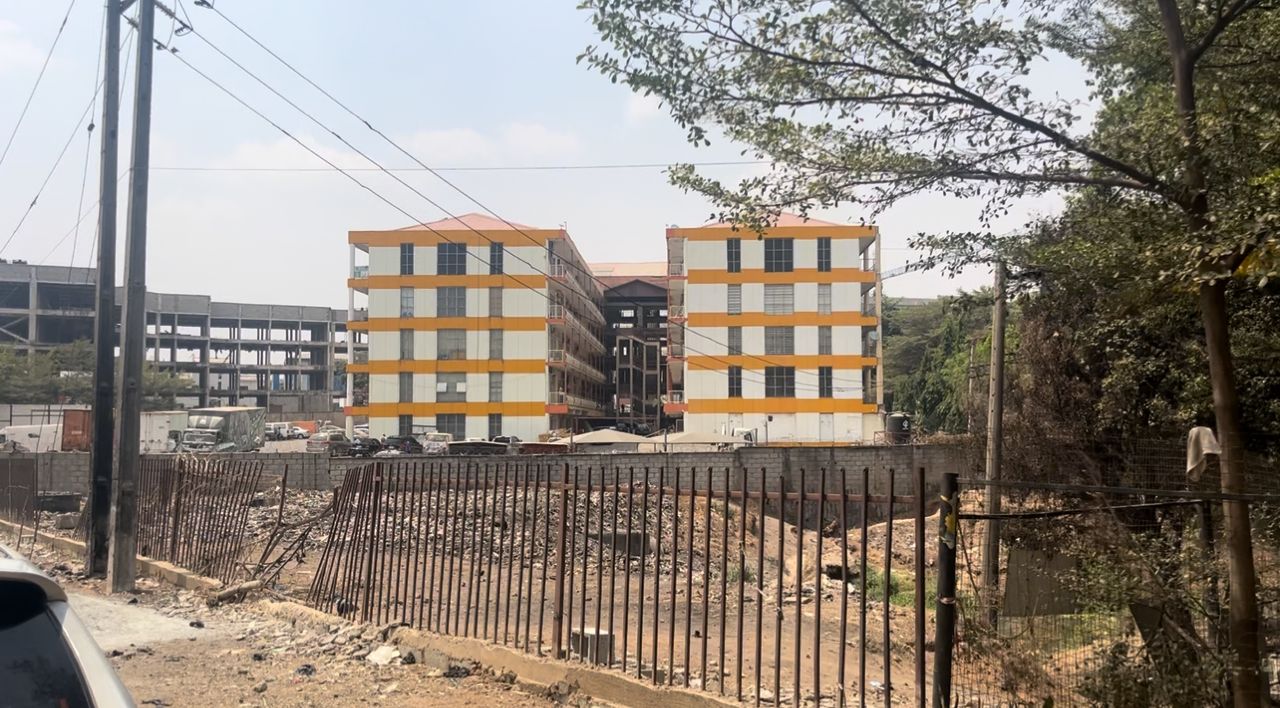 Jabi waste site after intervention
“That dumpsite bin dey cause serious problem for this area. Smoke, smell and dirt everywhere. Now that dem don clear am, the environment better pass before.”- Mustapha, community member.